Prolonged bed rest, consumption of birth control pills, chronic smoking, and old age are some of the causes that put you at a high risk of experiencing deep vein thrombosis (DVT) symptoms such as blood clots in the legs as well as other areas. These clots can block the flow of blood in the lungs, which can be life threatening.
In order to prevent and treat deep vein thrombosis, you should be aware of the risk factors such as obesity, injury in the veins, and blood-clotting disorders. Here are ways you can deal with deep vein thrombosis symptoms at home:
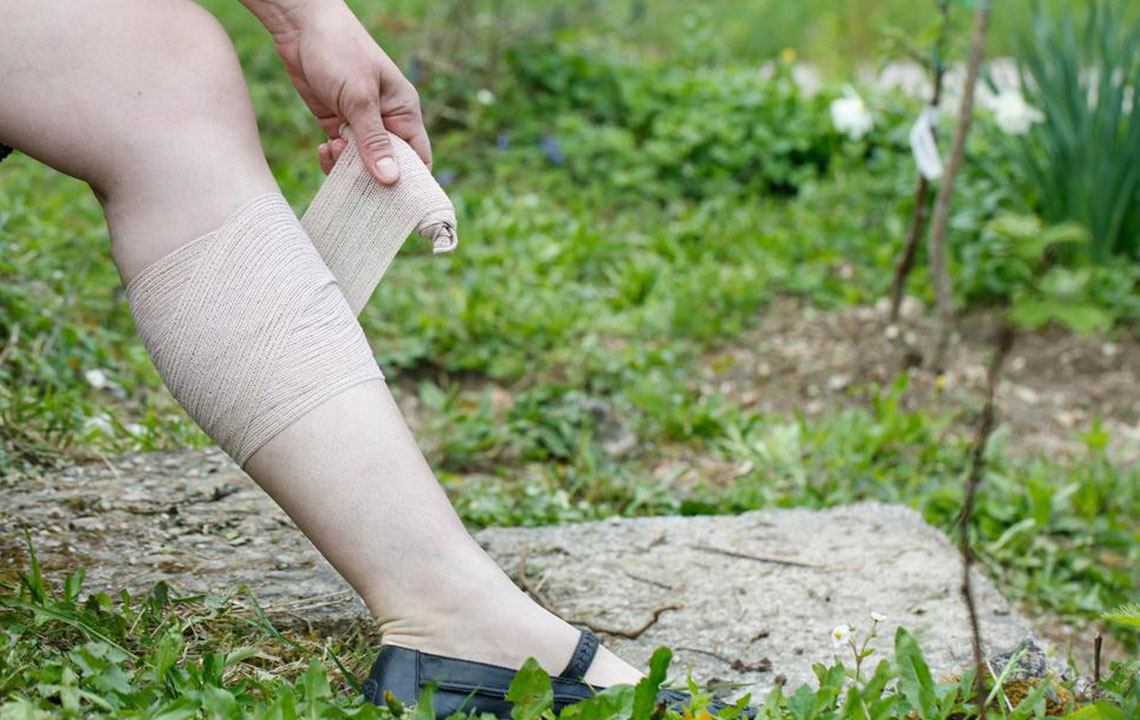
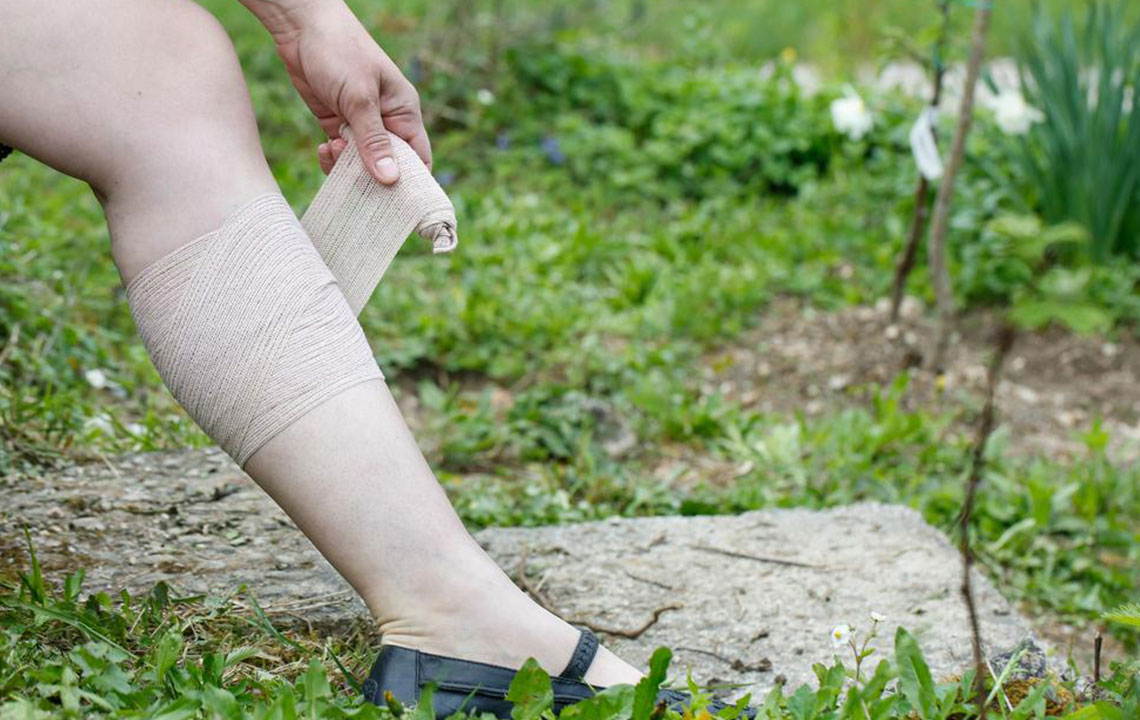
- Elevation and compression:
- Exercise daily: Daily moderate exercises can improve blood circulation, and it also reduces the risk of blood clots in your body. One of the risk factors is obesity, which can be prevented through regular activities such as walking, swimming, and jogging. They help in burning fats within the body and must be done regularly at least six days a week.
- Vitamin E: Include food rich in vitamin E in your diet. This is necessary to reduce deep vein thrombosis symptoms as vitamin E contains antiplatelet and anticoagulant properties, which helps in breaking the blood clots within the veins. Eating food like walnuts, sunflower seeds, olive oil, spinach, broccoli, etc. regularly can also be effective. Taking supplements might be necessary too, but only with the consent of your doctor.
The symptoms of swelling and pain are difficult to manage when they occur. Thus, preventing any further occurrence of such symptoms is important for treating DVT. Most people might not even have any clear symptoms, which makes diagnosis difficult. Hence, eating healthy food rich in vitamin E and exercising regularly can prevent the risks of DVT.